
Is Your Child’s Anxiety Affecting Their School Performance? 10 Signs to Watch
Introduction
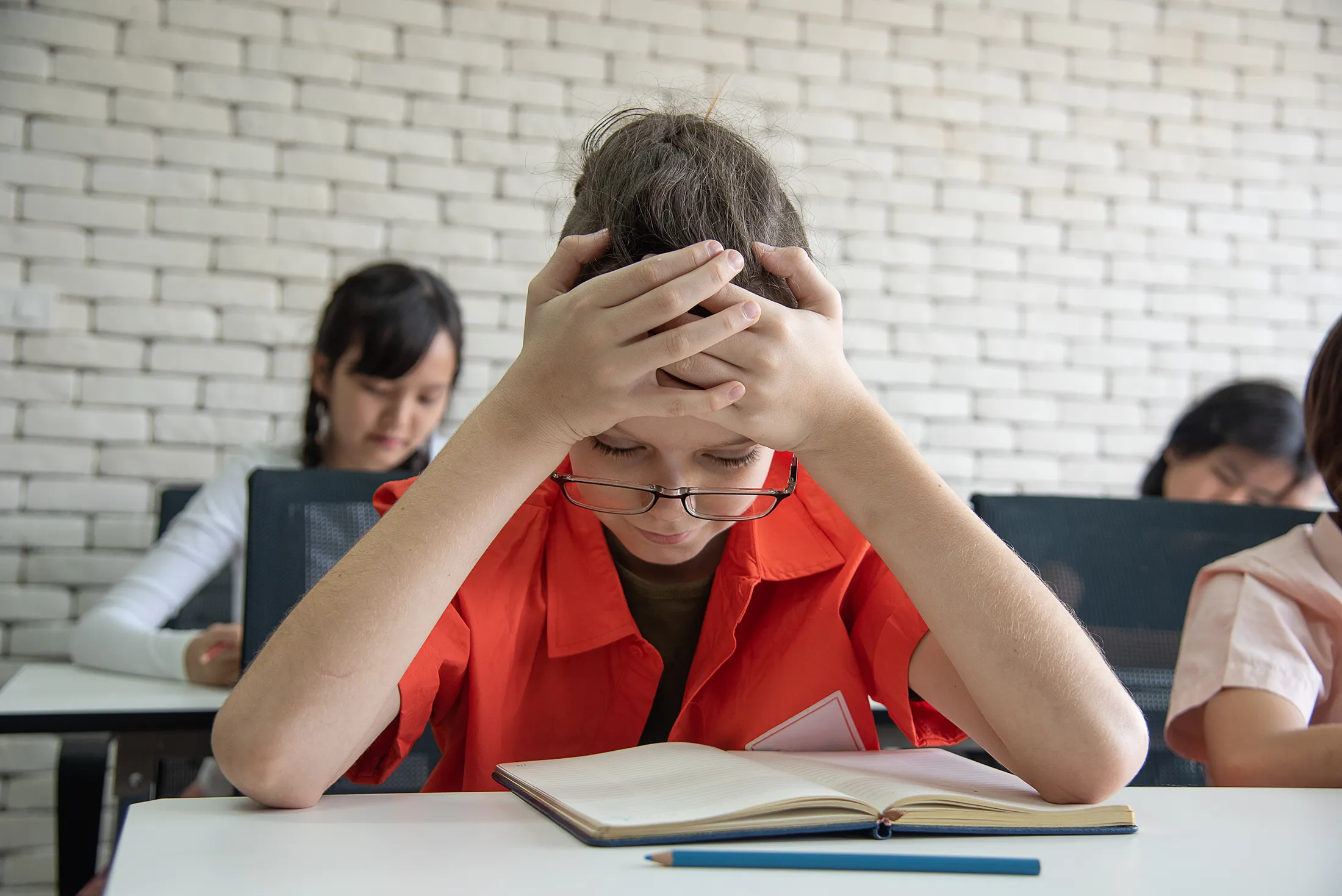
Many parents want to know why school suddenly feels harder for their child. A drop in grades, morning battles, emotional outbursts, or growing frustration with homework can feel confusing and overwhelming, especially when you cannot pinpoint the cause. Although these challenges can come from learning differences or academic stress, they are often connected to something many families do not immediately expect. A child’s anxiety can significantly impact school performance, focus, behavior, and confidence.
Anxiety in children can be subtle or very noticeable. Some children become quiet and withdrawn, while others show their anxiety through frustration, avoidance, or physical discomfort. At Flora and Associates, we support families across Sparta, Jefferson, Byram, and Rockaway who are trying to understand why school feels so difficult for their child. This expanded guide will help you recognize ten signs that school struggles may be rooted in your child’s anxiety, what those signs look like in everyday life, and how therapy can support your child’s emotional well-being.
1. Trouble Concentrating or Staying Focused
One of the most common ways a child’s anxiety appears in school is through difficulty staying focused. When a child is anxious, their brain is busy scanning for possible threats, worrying about what might go wrong, or replaying a stressful moment. This makes it incredibly hard to focus on the lesson in front of them.
What this may look like at home or in school
- Daydreaming or zoning out during homework
- Difficulty following multi-step directions
- Forgetting assignments or missing instructions
- Teachers reporting that the child seems distracted or not present
Parents sometimes mistake this for ADHD or lack of motivation. In reality, the child is working very hard to manage an overwhelming amount of internal stress.
2. Frequent Stomachaches, Headaches, or Physical Complaints
A child’s anxiety often shows up through the body. Children may not have the words to say they feel anxious, but they can tell you that their stomach hurts or they have a headache. These symptoms often come and go with the school schedule.
Common physical signs of anxiety
- Stomachaches before leaving for school
- Headaches during test days or busy mornings
- Nausea during stressful transitions
- Frequent visits to the school nurse
These physical experiences are very real to your child. Their body is responding to stress even if they cannot explain why.
3. Avoiding School or Asking to Stay Home
When a child feels overwhelmed by worry, they may try to avoid the situation altogether. This is especially common when anxiety is connected to social pressure, academic expectations, friendship challenges, or school safety concerns.
Avoidance may sound like
- “I don’t feel well.”
- “Can I stay home today?”
- “I think I’m sick.”
- “I feel like something bad is going to happen.”
Avoidance can temporarily reduce stress for the child, but it increases anxiety over time. Recognizing this pattern early can make a big difference.
4. Drop in Grades or Missing Assignments
A sudden or gradual shift in school performance can be one of the clearest signs of a child’s anxiety. When your child is overwhelmed, it becomes harder to complete assignments, study for tests, or stay organized.
This may include
- Lower test scores
- Incomplete homework
- Forgetting major projects
- Struggling in subjects they once enjoyed
It is important to remember that academic decline is not a sign of laziness. It is a sign that something deeper needs attention.
5. Trouble Sleeping or Increased Fatigue
Sleep problems are very common in children with anxiety. Nighttime is often the first time they slow down enough to notice their worries. Without healthy coping skills, bedtime becomes a stressful part of the day.
Signs that worry is affecting sleep
- Difficulty falling asleep
- Waking up throughout the night
- Nighttime fears or racing thoughts
- Struggling to get out of bed in the morning
When a child is tired, school becomes even harder. Fatigue can lead to low motivation, irritability, and trouble focusing.
6. Perfectionism and Fear of Making Mistakes
Some anxious children become intensely focused on getting everything right. This can lead to perfectionism that places enormous strain on their emotional well-being.
Signs of perfectionism driven by anxiety
- Redoing assignments until they feel perfect
- Becoming upset over small mistakes
- Avoiding new challenges for fear of failure
- Needing constant reassurance from teachers or parents
Although perfectionism may look like drive or dedication, it often signals deeper worry about disappointing others or not being good enough.
7. Emotional Outbursts After School
Many children hold in their emotions throughout the school day. When they finally come home, their emotional energy is depleted. This is often called “after-school restraint collapse”.
You might notice
- Crying or irritability after pickup
- Meltdowns over small frustrations
- Difficulty transitioning to homework or evening routines
- Sudden clinginess or withdrawal
These behaviors are not intentional. They are signs your child has been coping silently for hours.
8. Social Withdrawal or Friendship Difficulties
A child’s anxiety can make social situations feel overwhelming or confusing. This can lead to isolation or avoidance of peers.
This may include
- Wanting to eat alone at lunch
- Avoiding recess, group work, or playdates
- Feeling overwhelmed by loud or busy environments
- Struggles navigating friendships or handling conflict
Social anxiety can affect a child’s self-esteem and confidence, making school feel even harder.
9. Excessive Worry About School or Performance
Some children express their anxiety through questions, worries, or repeated reassurance seeking. Others keep their stress inside until it becomes too heavy to manage.
Common worry thoughts include
- What if I fail this test
- My teacher is going to be mad at me
- Everyone else understands this except me
- I will never catch up
These worries can take up so much mental space that learning becomes secondary.
10. Feeling Overwhelmed or Saying It is too much
Children may not use the word anxiety, but they describe the sensations clearly. Feeling overwhelmed is one of the strongest indicators that your child’s anxiety is impacting school.
Your child may say
- “I don’t think I can do this.”
- “Everything is too difficult.”
- “I’m not good at anything.”
These statements often reflect heightened stress, low confidence, and a need for emotional support.
When Therapy Can Help Your Child
Therapy can be a powerful tool for helping children understand their feelings, build coping skills, and feel more confident in school. At Flora and Associates, our child and family therapists use approaches that meet children where they are and support them with warmth, patience, and creativity.
Therapy can help your child
- Understand what anxiety feels like
- Develop tools to manage worry and stress
- Improve school focus and motivation
- Strengthen emotional regulation
- Navigate social challenges
- Build resilience and confidence
We also support parents through consultations and family sessions so you feel equipped to help your child at home and in school.
Conclusion
A child’s anxiety can influence every part of their school experience, from academic performance to friendships and daily routines. If you recognize any of these ten signs, early support can make a meaningful difference. Your child does not have to face these challenges alone, and you do not have to navigate this journey without help.
Flora and Associates proudly supports families throughout Sparta, Jefferson, Byram, Rockaway, and surrounding communities. Together, we can help your child feel calmer, more confident, and ready to thrive in school and beyond.